The Chicago Marathon: Records Set on These Streets
Chicago's flat, fast course has produced world records for men and women, from Steve Jones in 1984 to Kelvin Kiptum in 2023. A short history before the October 11 race.
Every October, tens of thousands of runners line up in Grant Park and run a loop through the city's neighborhoods. For most of them, it's about finishing. But Chicago's course is one of the flattest and fastest in the world, and it has a long history of records. With this year's race on Sunday, October 11, here's what's been done on these streets.
How it started
The race began in 1977 as the Mayor Daley Marathon. It went through some lean years in the late 1980s before growing into one of the six World Marathon Majors, alongside Boston, New York, Berlin, London and Tokyo. Today the course starts and finishes in Grant Park and winds through dozens of neighborhoods, from Lincoln Park to Pilsen to Chinatown.
The world records
Chicago has seen more world records than most marathons:
- 1984: Steve Jones of Wales ran 2:08:05, a world record at the time.
- 1999: Khalid Khannouchi set a world record of 2:05:42.
- 2001: Catherine Ndereba of Kenya set a women's world record of 2:18:47.
- 2002: Paula Radcliffe of Britain lowered it to 2:17:18.
- 2023: Kelvin Kiptum of Kenya ran 2:00:35, a men's world record, and the first time anyone broke 2:01 in a record-eligible race. Kiptum died in a car crash in Kenya just four months later, in February 2024, at 24. His Chicago run still stands as the world record.
- 2024: Ruth Chepngetich of Kenya ran 2:09:56, the first woman under 2:10 and nearly two minutes faster than the old record. In 2025 she received a three-year doping ban after a positive test from March 2025. Officials said results before that sample stand, so the record remains on the books for now, while investigators continued looking at older evidence.
Why Chicago is fast
- Flat. There are almost no hills.
- October weather. Often cool, which is ideal for distance running, though some years have been hot.
- Deep elite fields and pacers who set up fast races.
The tall buildings downtown can scramble GPS watches, so runners often see strange paces on their watches early in the race.
For the rest of us
You don't have to be an elite to be part of it. Spectators line the whole course, and neighborhoods turn it into a block party. A few tips:
- Plan your route. Streets close across downtown and the neighborhoods.
- Use the 'L.' It's the easiest way to get around on race day.
- Pick a neighborhood. Pilsen, Chinatown and Boystown are known for big crowds and loud cheering.
For this year's elite field and the American record talk, see our Chicago Marathon record watch.
Sources (3)
Bank of America Chicago Marathon; Chicago Sun-Times on the Chepngetich ban; LetsRun on the record's status.
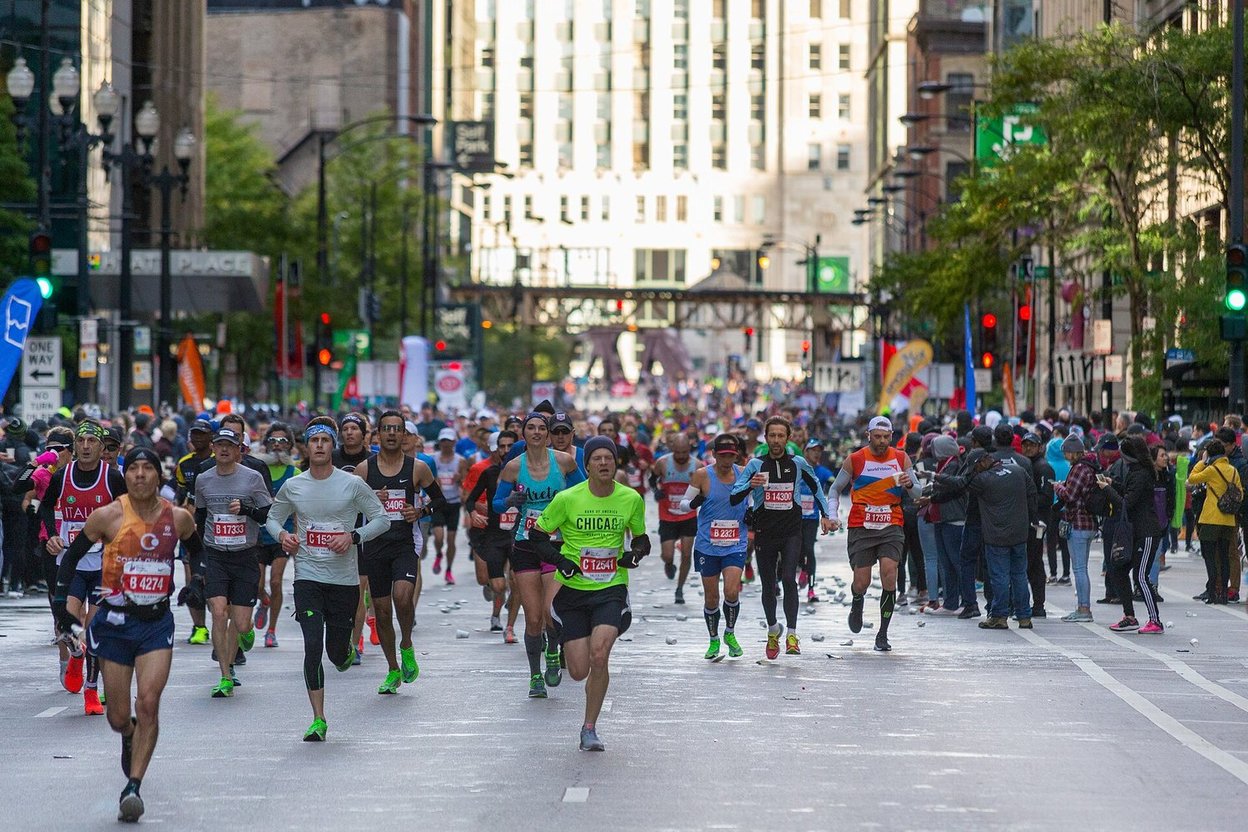
Photo: 2019 Chicago Marathon by Kenneth C. Zirkel, CC BY 4.0.