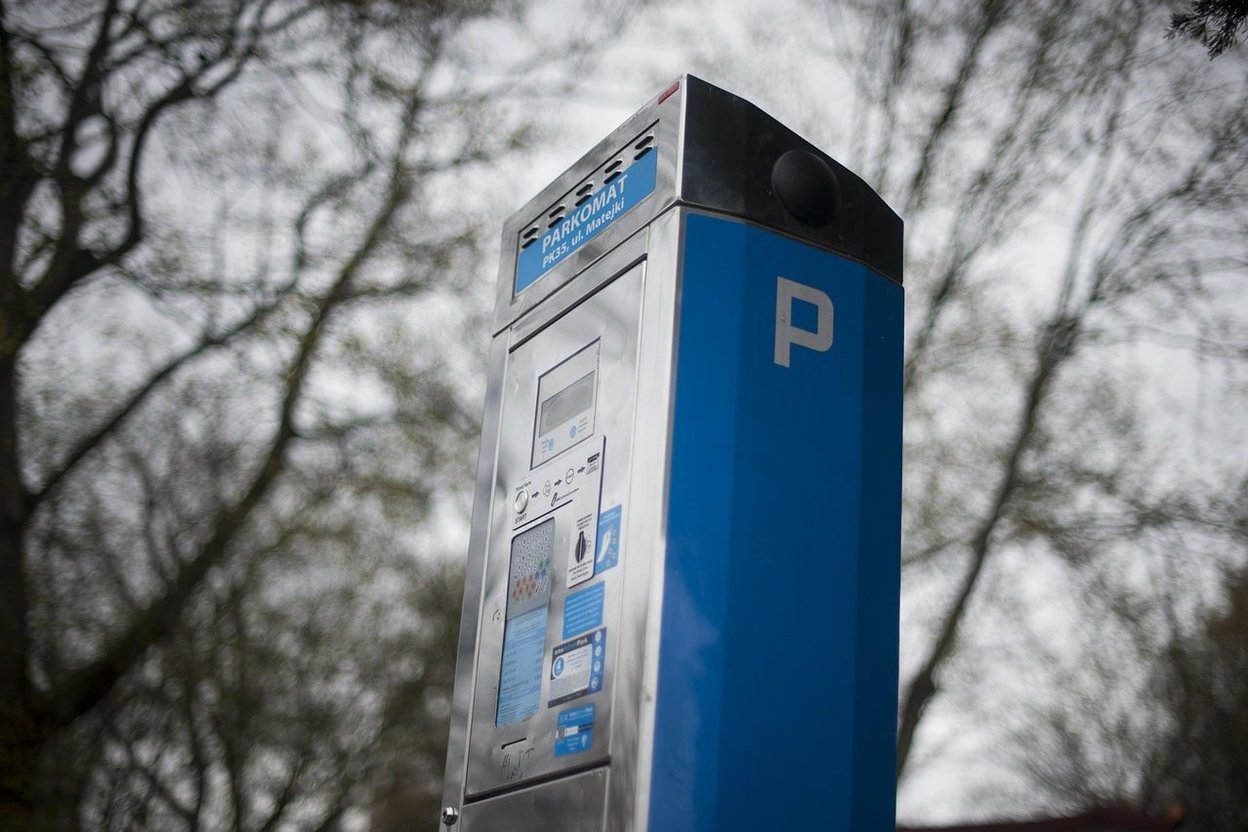
Chicago's parking meters are being sold again. What Stonepeak is buying
Council approved Stonepeak's $2.53 billion bid for Chicago's parking meter lease. Here's what the city gets, what drivers face, and what's next.
The next time you tap your phone at a meter in Lakeview or circle the Loop looking for a spot, the company collecting your money is about to change. On Sept. 29, the City Council voted 46-3 to let Stonepeak Partners, a New York investment firm, buy the lease on Chicago's parking meters for $2.53 billion. The city still owns the meters, and the 2008 lease that Chicagoans have complained about for years stays in place. What's different is who holds it, and the city now gets a small cut of the profits.
The short answer
The vote came on Tuesday, Sept. 29, 2026, one day before a Sept. 30 deadline. If the Council had missed that deadline, the city risked fighting the deal in court. Three aldermen voted no: William Hall (6th), Byron Sigcho-Lopez (25th) and Jason Ervin (28th).
Stonepeak is buying out Chicago Parking Meters LLC, the company that has run the meters since the 2008 lease. Its bid was $2.53 billion. Some outlets round that to $2.5 billion.
The sale isn't finished yet. Council approval was the big hurdle, but the meters haven't changed hands. No public closing date has been reported, and the first money the city gets is tied to that closing.
What Stonepeak is actually buying
Stonepeak isn't buying the meters or the streets. It's buying the rest of a lease, and specifically the right to collect meter revenue on city streets.
That lease is the 75-year deal the City Council approved under Mayor Richard M. Daley in 2008. It runs until 2084, so about 57 years are left. Whoever holds the lease collects the money you feed into the meters for that whole time.
The seller is the group that has held the lease from the start, a consortium led by Morgan Stanley. In 2008 it paid the city $1.15 billion. Through the end of 2025, the operator reported about $2.2 billion in revenue. It now expects to sell what's left of the lease for more than twice what it paid in 2008.
That's why the price is so high. Stonepeak is paying for nearly six more decades of meter revenue.
What the city gets
Under the original 2008 deal, Chicago got nothing beyond the upfront payment. The new terms add three things:
- $75 million at closing. It's called a transfer fee and is set aside for the city's pension funds.
- 5% of net income for the rest of the lease. This is the first time since 2008 that the city has shared in meter profits.
- 2% of the sale price if Stonepeak resells the lease before it ends in 2084.
Nobody agrees on what the 5% is worth. City officials told CBS Chicago about $367 million. Block Club reported $375 million. The Council's negotiating team told the Sun-Times $376.2 million. Ald. Bill Conway (34th) says those numbers are inflated. He estimates the share is worth about $140 million once interest and depreciation are subtracted. Since the payment is a cut of net income, the final amount depends on how the operator's books come out.
The deal also changes a part of the old lease that cost the city a lot. Under the 2008 terms, the city has to pay the operator when meters go out of service, and those payments have added up to nearly $174 million through 2025. Under the new terms, special events can close meters for up to 10 hours, up from six, seven times a year before the city owes anything. The Sun-Times also reports that Stonepeak agreed to look at converting entire unmetered blocks into EV charging stations and sharing the charging revenue with the city.
The fights over it
The Council didn't start out wanting this deal. Mayor Brandon Johnson tried to buy the lease back for the city and submitted four bids. The highest was $3.2 billion. Then he dropped the effort. The Sun-Times reports he decided the risk and political cost outweighed the reward. CBS Chicago reports that paying off the debt would have meant raising meter rates every year for 40 years. Aldermen found out about the bids only after the city had withdrawn them.
By then, the Sept. 30 deadline left them choosing between this deal and a possible court fight. Ald. Ervin called that a "false sense of urgency" and pointed out that no independent financial analysis had been done. Johnson called the result a "stronger deal than what was there before." Finance Chair Pat Dowell said it's "a better deal than we delivered in 2008."
Some of the strongest objections had nothing to do with money. Stonepeak owned Omni Air International, an airline that has flown deportation flights for the Department of Homeland Security. As a condition of the deal, Stonepeak agreed to sell the airline, and Block Club reports the sale was announced the day before the vote. The agreement also limits Stonepeak from sharing personal information about meter users with the federal government or other outside agencies, unless the law requires it.
What it means for drivers, and what's next
Nothing in the deal limits how much meter rates can go up. Ald. Ervin argued it "does nothing" to stop Stonepeak from raising them. CBS Chicago reports that some aldermen have talked about separate legislation that would tie rate increases to inflation and set lower rates for residents. So far that's only been discussed, and Johnson declined to speculate on it.
The history matters here. Rates went up after the private operator took over in 2008. That year the Council approved the lease within days of its announcement, and the city spent the $1.15 billion instead of saving it for pensions. Since then, Chicago has paid the operator whenever meters were removed for construction, repairs or festivals. Many people still call it the worst deal the city ever made.
This time the Council took longer and got some changes. The pension money is set aside, the city gets a share of profits, and the closure rules are a little looser. The basic terms stay the same, though: a private company holds the meters until 2084, and the deal doesn't cap what you pay.
What happens next:
- Closing. The sale still has to close. No date has been made public, and the $75 million is due when it does.
- Rates. Any limit on increases would need separate action by the Council.
- The profit check. The first 5% payments will show which estimate was closer.
If you're paying a meter for a Halloween party in Wicker Park or Thanksgiving weekend shopping on State Street, the price is still set by the private operator.
Sources (4)
- Block Club Chicago: Council approves $2.5 billion parking meter sale, with city set to get share of profits
- Chicago Sun-Times: City Council signs off on $2.5B parking meter sale — after making it a little better
- CBS Chicago: Chicago City Council to vote on parking meter sale deal
- Bloomberg: Morgan Stanley group to sell Chicago parking meters to Stonepeak
Photo by AndrzejRembowski on Pixabay.